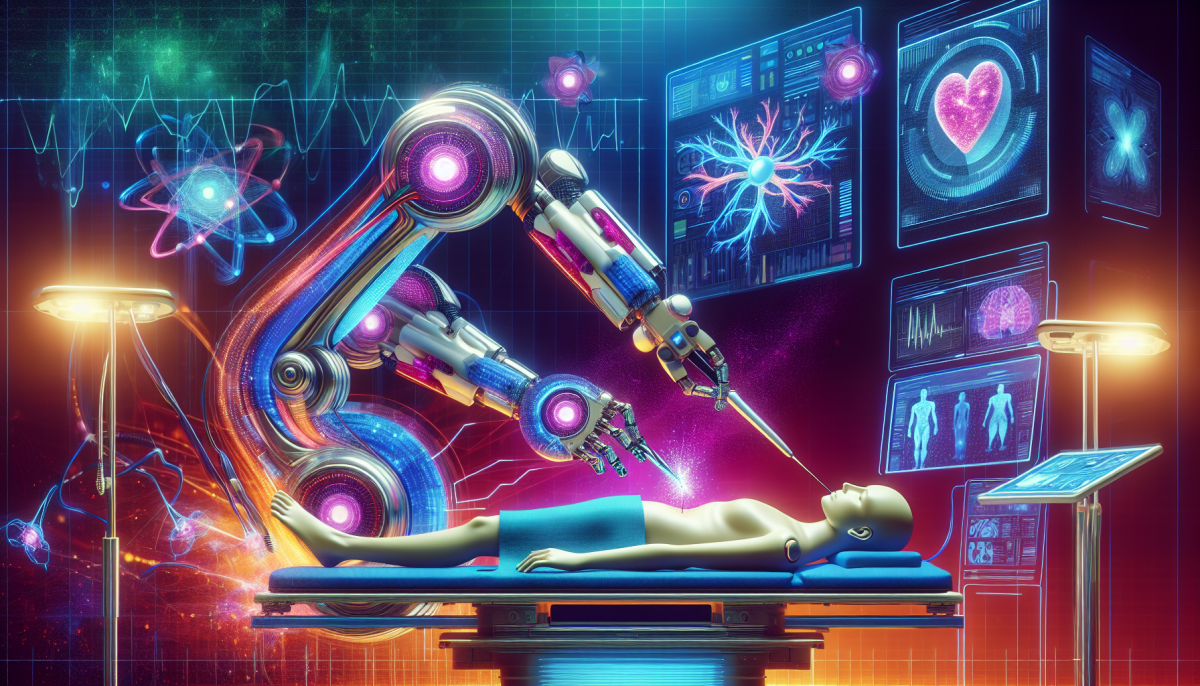
AI is making a big splash in healthcare, and it’s changing everything. Imagine doctors using smart technology to diagnose patients faster than ever before. With AI, doctors can analyze medical images, like X-rays and MRIs, more accurately. This means quicker diagnoses and better treatment plans. It’s like having a super-smart assistant on their team!
Another exciting area where AI shines is in predicting health issues before they become serious. By looking at patient data and spotting patterns, AI can help identify potential problems. This proactive approach can lead to earlier interventions, saving lives and cutting down on daunting hospital visits.
Not just for diagnoses, AI is also transforming patient care. Chatbots are now available to answer patient questions 24/7, allowing people to get help without waiting for a human. These bots can provide appointment reminders, medication information, and even basic troubleshooting for minor health concerns. It’s all about making healthcare more accessible and less overwhelming.
AI-driven tools are also improving personalized medicine. With the help of data from genetics and lifestyle, AI can tailor treatments to fit individual needs. This customization is a game-changer, as it means treatments can be more effective and side effects minimized. Patients are no longer just a number; their unique situations are taken into account to get them the best possible care.
Benefits of AI in Patient Care
Artificial Intelligence (AI) is changing the way we approach patient care in some really exciting ways. First off, it allows for faster and more accurate diagnoses. With AI algorithms analyzing medical data, doctors can spot patterns and identify issues much quicker than ever before. This means patients get the right treatment sooner, which is critical for many conditions.
Another big benefit is personalized treatment plans. AI can take a patient’s unique health history and genetic makeup into account, allowing for tailored recommendations that fit individual needs. This means treatments not only become more effective but also minimize the chances of side effects, giving patients a better overall experience.
AI also enhances monitoring of patients, especially those with chronic conditions. Wearable devices combined with AI can track vital signs in real-time, sending alerts to healthcare providers if something seems off. This proactive approach helps catch potential issues before they become major problems, ensuring that patients receive timely interventions.
Lastly, AI assists healthcare professionals by handling admin tasks, like scheduling appointments or managing patient records. This frees up time for doctors and nurses to focus more on patient interaction, which is where the human touch really matters. Overall, AI is a powerful tool that helps create a more efficient and patient-centered healthcare system.
AI Tools That Improve Diagnostics
AI tools are changing the way we look at diagnostics in healthcare. Imagine a world where your doctor has powerful software by their side that helps analyze test results and scans in real time. Well, that’s already happening! These tools mostly use advanced algorithms to detect patterns that might be missed by the human eye. This means quicker and often more accurate diagnoses, which is a game-changer in treating patients effectively.
One of the exciting advancements in this area is AI analysis of medical imaging. For instance, AI can quickly evaluate X-rays, MRIs, and CT scans, spotting conditions like tumors or fractures even before human specialists might notice them. This speed not only helps in early detection but can also streamline the workflow within hospitals, allowing healthcare providers to focus more on patient care.
Another area where AI shines is in processing vast amounts of patient data. With electronic health records, AI can analyze trends across a population. This means it can help spot outbreaks of illnesses or predict potential health risks in individuals based on their history and lifestyle. It’s like having a health detective constantly on the lookout for clues to keep everyone safe and healthy.
Plus, AI tools can even assist in personalizing treatment plans. By evaluating previous patient outcomes, these systems suggest the most effective strategies for individual care, tailored to each patient's unique needs. It’s a fantastic way to ensure that everyone gets the best, most informed possible care based on data and insights.
The Future of Healthcare and AI
The future of healthcare looks incredibly promising, especially with the rise of AI technology. Imagine a world where doctors can diagnose diseases faster and more accurately thanks to intelligent algorithms analyzing patient data. With AI, healthcare isn't just about treating illnesses; it's about predicting them before they even happen.
One of the most exciting developments is the use of AI in personalized medicine. This means treatments can be tailored specifically to individual patients, taking into account their unique genetic makeup and health history. By analyzing patterns in data, AI can suggest the best courses of action, ensuring you get the right treatment at the right time.
Another area where AI shines is in administrative tasks. Healthcare systems often deal with mountains of paperwork, from patient records to insurance claims. AI can streamline these processes, greatly reducing the workload on healthcare professionals. This not only frees up time for doctors and nurses to focus more on patient care, but it also makes the entire system more efficient.
Lastly, AI is making telemedicine more effective. Virtual consultations powered by advanced AI technologies can better assess a patient's condition through video analysis and even smart devices. This means you can get medical advice and treatment from the comfort of your home while still receiving personalized attention.